
THANK YOU FOR SUBSCRIBING

Technology to Facilitate Business
× 
Applied Technology Review Weekly Brief
Be first to read the latest tech news, Industry Leader's Insights, and CIO interviews of medium and large enterprises exclusively from Applied Technology Review


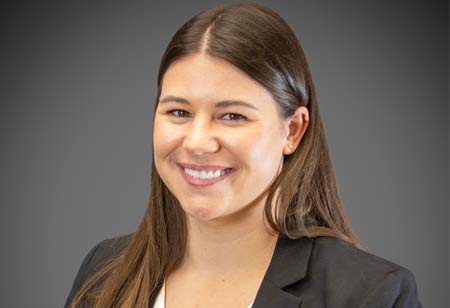


How are Energy transition and digitalization changing automation systems for sensor integration?
Simms, business development manager, sensors, Eaton
-new) Simms, business development manager, sensors, Eaton
Simms, business development manager, sensors, Eaton1. What are some of the major challenges and trends that have been impacting the sensor technology space lately?
A: Energy transition and digitalization trends are broadly changing automation systems and creating vast new opportunities for sensor integration. Customers want more capability in these sensors, including baseline performance, data, and the ability to stream information, all of which increases demands on device processing power, communications and system protocols. We’re making that happen—delivering increasing sensing range, improving range stability over temperatures, and enhancing performance in extreme environments while in parallel increasing the richness of data available from the sensor to feed the automation system.
“Energy transition and digitalization trends are broadly changing automation systems and creating vast new opportunities for sensor integration”
2. Can you tell us about the latest project that you have been working on and what are some of the technological and process elements that you leveraged to make the project successful?
We’ve designed inductive proximity sensors for critical operations in the harshest shipboard environments to help achieve greater operating reliability. In doing so we’ve successfully leveraged advanced microprocessors, developments in transducer technology, and innovations in mechanical enclosures to create a new generation of highly survivable products. The U.S. Department of Defense is able to use them in the most challenging shipboard and other military applications; our machinery OEM customers can now apply this same technology in harsh industrial environments. Our project team applied technology to our manufacturing processes as well, leveraging new capabilities in advanced calibration and test algorithms to achieve a common performance baseline across a range of divergent sensors and maximize production yields.

Read Also

Shaping the Future of Traffic with Digital Innovation
Janne Lautanala, Chief Ecosystem and Technology Officer, Fintraffic
Digital Twins - The Context and Complexity
Anthony Tuffour, Director of Global Lead GIS and Digital Twins, Buro Happold
Navigating Supply Chain Challenges
Kyle Moore, Senior Vice President Of Construction, Landmark Properties, Inc

Unlocking Success In Real Estate Technology
Nathan Kimpel, Head of Technology – Multifamily, Cushman & Wakefield

Driving Digital Transformation in Commercial Real Estate
Dusti Wofford, Global Head of Digital Strategy & Technology, CBRE
Crafting the Future with AI, Cloud and Operational Excellence
Damian Ng, SVP of Technology, Head of Enterprise Architecture, Software Engineering, Reliability and Operations, Anywhere Real Estate Inc


Top

ON THE DECK