
THANK YOU FOR SUBSCRIBING

Technology to Facilitate Business
× 
Applied Technology Review Weekly Brief
Be first to read the latest tech news, Industry Leader's Insights, and CIO interviews of medium and large enterprises exclusively from Applied Technology Review

Gap
Sarah Johnson, Director of Research and Innovation
The Rise of Exoskeletons in Rehabilitation and Everyday Mobility
Sarah Johnson
Exoskeletons empower individuals with disabilities, offering personalised support and autonomy while facing challenges like cost and integration hurdles.
FREMONT, CA: Exoskeletons are emerging as transformative aids for individuals with physical disabilities. These wearable robotic suits are poised to redefine the landscape of rehabilitation and daily life, leveraging technological advancements to augment human movement and functionality. With breakthroughs in artificial intelligence (AI) and biomechanics, coupled with the latest innovations in exoskeleton design, a future where these devices become integral to both rehabilitation and everyday mobility for individuals with diverse impairments is on the horizon.
Restoring Independence: From Rehabilitation to Routine Tasks
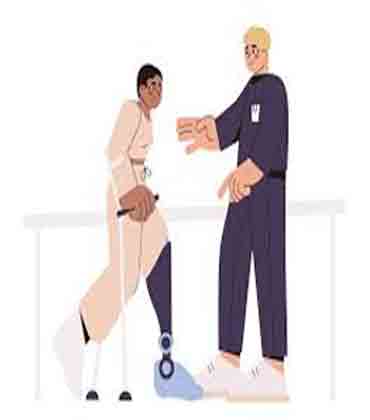
A notable application of exoskeletons lies in gait training for individuals grappling with spinal cord injuries, strokes, or neurological disorders affecting mobility. Exoskeletons facilitate safe and controlled walking practice by providing essential support and guidance, yielding notable improvements in walking function, balance, and overall independence.
Beyond gait training, exoskeletons are extending their reach to encompass a broader spectrum of daily activities. Upper-limb exoskeletons, for instance, offer assistance to individuals contending with conditions like muscular dystrophy or arthritis, enabling them to reclaim the ability to reach, grasp objects, and engage in routine tasks such as dressing or eating. These exoskeletons, often customisable to accommodate varying degrees of weakness, may even incorporate AI-driven movement recognition to anticipate user intent, ensuring more intuitive control.
Personalisation: Tailoring Exoskeletons to Unique Needs
In the realm of modern exoskeletons, the era of one-size-fits-all solutions has waned. Advancements in design and manufacturing techniques facilitate customisation based on the specific requirements of individual users. Embedded sensors monitor movement patterns and muscle activity, empowering therapists to tailor therapy programs and adjust settings to optimise user comfort and efficacy. Moreover, ongoing research into integrating brain-computer interfaces (BCIs) with exoskeletons holds promise, potentially enabling users to control these devices directly through their thoughts, further augmenting their autonomy.
Navigating Challenges: Safety, Affordability, and Integration
Challenges present opportunities for innovation and advancement. Addressing cost barriers can spur developments in affordable exoskeleton technology, expanding accessibility to a wider demographic. Enhancing user safety and comfort drives research into more efficient batteries and lightweight materials, paving the way for prolonged and seamless usage. Integrating exoskeletons into daily life prompts the creation of adaptable infrastructure, fostering inclusivity and enhancing usability. Overcoming social stigma through awareness campaigns fosters acceptance and creates a supportive environment for widespread adoption, ultimately enriching lives.
The future of exoskeletons shines brightly, propelled by ongoing technological advancements. Continued innovation is expected to yield lighter, more cost-effective exoskeletons equipped with intuitive control mechanisms facilitated by AI and BCIs. Moreover, heightened awareness and advocacy endeavours hold the potential to dismantle societal barriers and cultivate a more inclusive environment for exoskeleton users.
Exoskeletons transcend their role in rehabilitation, offering potential applications in diverse fields. From aiding firefighters in carrying heavy loads to assisting construction workers in mitigating fatigue during strenuous tasks, these devices promise to revolutionise human capabilities beyond disability. As society progresses, exoskeletons stand poised to redefine perceptions of physical limitations, ushering in a future brimming with possibilities for individuals with disabilities and beyond.
The articles from these contributors are based on their personal expertise and viewpoints, and do not necessarily reflect the opinions of their employers or affiliated organizations.

Top
