
THANK YOU FOR SUBSCRIBING

Technology to Facilitate Business
× 
Applied Technology Review Weekly Brief
Be first to read the latest tech news, Industry Leader's Insights, and CIO interviews of medium and large enterprises exclusively from Applied Technology Review

Hobbs Rehabilitation
Louis Martinelli, Exoskeleton Service & Development Lead
Shaping the Future of Neurorehabilitation with Robotics
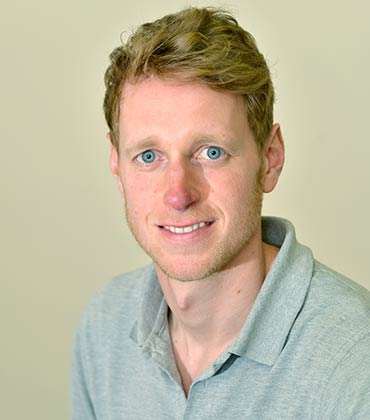
Louis Martinelli
Louis Martinelli, MCSP HCPC, is the Exoskeleton Service & Development Lead at Hobbs Rehabilitation with 15 years’ neurological physiotherapy experience. Trained across leading gait-robotics systems, he has contributed to clinical research and published studies and leads a UK-funded Eurostars research project developing an exoskeleton for people with Multiple Sclerosis. His work focuses on clinically effective, ethically integrated deployment of advanced rehabilitation technologies.
In an exclusive interview with Applied Technology Review Europe, Martinelli discusses how robotics, patient-centred design and rigorous clinical frameworks are reshaping neurorehabilitation and expanding independence.
Integrating Neurotechnology into Rehabilitation Pathways
As the Exoskeleton Service and Development Lead and a Senior Neurological Physiotherapist at Hobbs Rehabilitation, I have dedicated the past 15 years to working with individuals with neurological injuries and integrating robotic walking technologies into complex rehabilitation pathways.
My academic background in exercise and sports science, combined with a career in Physiotherapy, led to an early commitment to improving long-term health outcomes rather than focusing on isolated treatment episodes. This holistic perspective inspired my transition into neurology and has guided my leadership in advancing neurotechnology at Hobbs Rehabilitation.
Around 2014, when a surge of new technologies such as exoskeletons and upper-limb robotics began arriving, Hobbs Rehabilitation established a master’s program in integrating neurological technology, with MiNT (master class in neuro technology) as a specialist arm of the business. MiNT was founded by Clinical Directors Nicky Ellis and Helen Hobbs as part of Hobbs’s strategic response to new technologies.
I became one of the first three clinicians trained on exoskeletons within this framework. From the outset, I prioritised structured case studies, particularly with individuals who have a spinal cord injury, asking whether each device delivered meaningful clinical benefits and could justify the substantial costs and replacement cycles. Exoskeletons cost around £100,000 and have a 5 to 6 year lifespan, which makes ROI and access planning critical.
Therapy in Motion with Exoskeletons
I worked with Professor Faulkner at the University of Winchester. During this time, I found that daily standing and stepping in an exoskeleton for just one week improved arterial elasticity by around 10 per cent. It also lowered the risk of deep vein thrombosis, which is already elevated in sedentary wheelchair users. These findings reinforced my view that exoskeletons should be evaluated as long-term health tools that influence vascular and cardiovascular outcomes, rather than just as gait aids or mobility novelties.
“Louis Martinelli, MCSP HCPC, is the Exoskeleton Service & Development Lead at Hobbs Rehabilitation with 15 years’ neurological physiotherapy experience.”
Over time, I have tested ten different systems or had exposure to 8–10 different exoskeletons, which reflects the breadth of my experience rather than formal testing. I now lead a service built around platforms such as Ekso Bionics, ReWalk and Able Human Motion. I differentiate between highly configurable treatment tools, such as Ekso, which support graded, parameter-driven therapy, and more plugand-play community walking devices, like ReWalk.
Community devices often require specific hip function and stability, while therapy-focused systems are designed for graded loading, repeatability, and early-stage gait work. Matching the patient’s clinical picture to the device type is crucial. I also collaborate with Able Human Motion on the Eurostars project, adapting exoskeletons for individuals with multiple sclerosis and exploring integrated functional electrical stimulation to enhance neuroplastic gains.
Drawing on this experience, I have built clear frameworks to ensure the safe, ethical, and effective deployment of advanced neurorehabilitation technologies. In clinical practice, any device I use must be properly regulated and CE marked, whereas investigational systems in research projects undergo formal ethics and risk assessments before patient use. For example, research prototypes undergo formal ethics approval and risk assessment processes before patient trials, underscoring my strict stance on compliance.
My clinical model emphasises rigorous patient screening to avoid complications such as skin or fracture issues, as well as careful management of therapist workload. Despite advances in technology that reduce the number of staff required, multiple exoskeleton sessions remain physically demanding for both patients and therapists. Running many sessions in a day is hard for staff, and even well-trained therapists struggle if several exoskeleton users are booked consecutively. Fatigue impacts service quality.
From Clinic to Everyday Steps
I have learned that the biggest day-to-day challenge is not the hardware but patient expectations. To address this, I conduct pre-appointment calls. I explain that, despite marketing images of stair climbing and walking on busy high streets, current exoskeletons are primarily powerful therapy tools rather than full wheelchair replacements. Marketing imagery often creates false expectations, leading patients to arrive expecting community mobility rather than therapy. Pre-appointment calls are essential to prevent disappointment.
Limited UK availability means that some people travel long distances to access sessions, so I focus on realistic goals, sustainable access models, and transparent discussions of costs and support. UK patients often attend weekly or fortnightly, which limits the training effect, whereas in some healthcare systems, such as parts of Germany, daily training is available and can lead to significantly improved outcomes.
I position my work within the wider evidence and guidance, noting that exoskeletons are now recognised within NICE guidance as a potential component of post-stroke rehabilitation. Before such guidance existed, we generated in-house data at Hobbs Rehabilitation to justify clinical use and support senior clinician discussions about the benefits of vascular health, bone density, and blood pressure.
When advising service leaders and individuals, I suggest trialling multiple devices side by side, insisting on home trials before personal purchase. I then assess door widths, thresholds, slopes, storage and carer training, because even the most advanced technology fails without the right environment and continuity. These assessments also include turning circles in narrow UK homes, steep outdoor gradients that render community use invalid, and risks of carer turnover, which can compromise continuity.
Buying an exoskeleton is more than just purchasing hardware. It means investing in training, ongoing support, spare parts, and long-term vendor reliability. The relationship between the user, clinician, and vendor is vital for long-term success.
The articles from these contributors are based on their personal expertise and viewpoints, and do not necessarily reflect the opinions of their employers or affiliated organizations.

Top
